
Loading...
Serving Coral Springs, FL and surrounding areas. (754) 318-0064
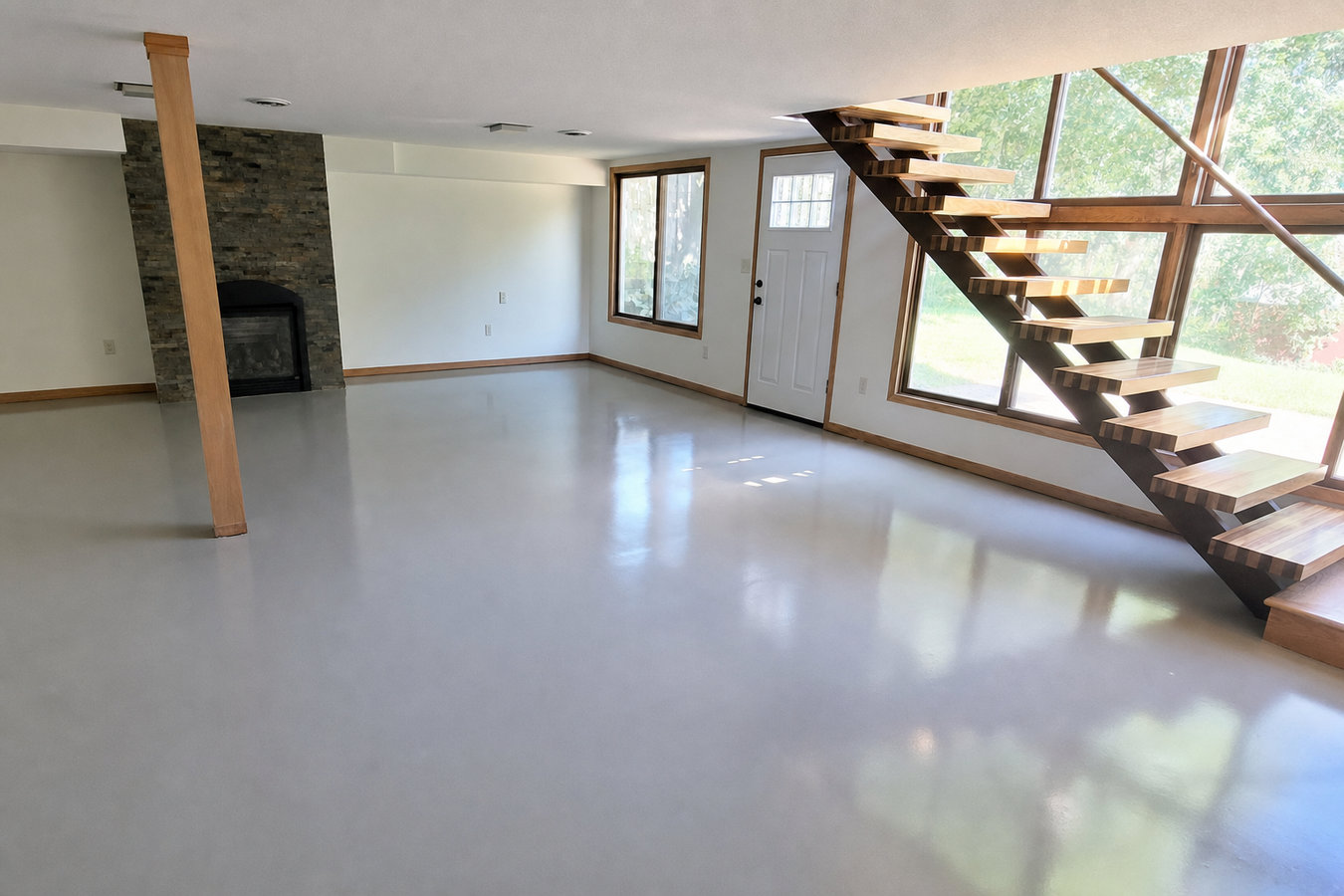
Ground-level rooms in Coral Springs need floors that handle a high water table and year-round humidity - not finishes that bubble and peel after the first rainy season.
Basement flooring in Coral Springs means working with concrete slabs in ground-level rooms where moisture vapor rises from the soil year-round. The right finishes - epoxy coatings, polished concrete, and sealed overlays - are installed after a moisture test and proper surface preparation, with most projects completing in one to four days.
True below-grade basements are rare in Coral Springs because the water table sits just a few feet below the surface in most of Broward County. What most homeowners here call a basement is a ground-level slab room, a sunken bonus room, or a utility space - and the flooring approach for each is slightly different. Whether you are converting a storage room into a gym or just want a clean, durable surface, the starting point is always the concrete slab. If your project involves more extensive concrete prep work, our concrete grinding and surface preparation service handles that step as well.
White powdery deposits on concrete after a heavy South Florida rainstorm are a sign moisture is moving up through the slab and leaving mineral deposits behind as it evaporates. A musty smell in the room - even when nothing looks wet - is another version of the same problem. In Coral Springs, where the water table is high and summer rains are intense, this is one of the most common reasons homeowners decide it is time to address the floor properly.
If vinyl, tile, or a previous coating is starting to lift, bubble, or separate at the seams, moisture is almost certainly the cause. In South Florida's climate, floor coverings installed without proper moisture management underneath tend to fail within a few years. Replacing the surface without addressing the underlying moisture issue will just repeat the cycle.
Hairline cracks are common in Coral Springs homes built in the 1970s through 1990s, which is a large share of the city's housing stock. If you can see cracks across the floor or notice one section sits slightly higher or lower than another, those need attention before any new flooring goes on top. Left unaddressed, cracks can widen and cause new finishes to fail prematurely.
Many Coral Springs homeowners are turning underused ground-floor rooms into home offices, gyms, or playrooms. If the space currently has bare or worn concrete, upgrading the floor is the first step - and the right time to address any moisture or crack issues before furniture and belongings move in.
Our most common options for ground-level rooms are epoxy coatings, polished concrete, and concrete overlays - all of which handle South Florida humidity far better than carpet or laminate. Epoxy coatings bond tightly to the slab and create a hard, stain-resistant surface that resists moisture, scuffs, and the heat of a Florida summer. We also pair basement flooring work with epoxy floor coatings for homeowners who want the full range of coating options for different spaces in the home.
Polished concrete is another strong choice - it grinds and seals the existing slab to a clean, glossy finish that does not trap allergens and is easy to clean year-round. For slabs with significant staining, cracks, or uneven surfaces, a concrete overlay gives you a fresh surface without the cost and disruption of full slab removal. Every project starts with moisture testing and concrete grinding and surface preparation so the finish bonds properly and lasts.
Suits homeowners who want a hard, moisture-resistant surface that handles heavy use in garages, gyms, or utility rooms.
Suits homeowners converting ground-level rooms into living spaces who want a clean, allergen-free look.
Suits slabs with staining, cracks, or surface damage that need a fresh start without full removal.
Suits homeowners who want moisture protection and an improved appearance without a full decorative finish.
Broward County's water table is notoriously shallow - in many parts of Coral Springs it sits just two to four feet below the surface. That means moisture is constantly pushing upward through the ground and into your slab, even on dry days. For ground-level rooms, this is not an edge case - it is the baseline condition. Any contractor who skips moisture testing before applying a finish in this area is setting up the job to fail. Homeowners in Coconut Creek face the same challenge with the same soil and water table conditions.
Coral Springs was developed primarily between the 1970s and early 1990s, which means a large share of homes have slabs that are now 30 to 50 years old. Older slabs are more likely to have hairline cracks, settled sections, or degraded moisture barriers beneath them. This is especially worth knowing if you are converting a utility room or bonus room into living space - what looks like a simple painting job on the floor may actually need crack repair and moisture remediation first. We work regularly with homeowners in Margate and surrounding areas where older slabs require exactly this kind of thorough assessment before any finish work begins.
For permit questions, see the Broward County Building Division. For groundwater and moisture context in Broward County, see the Florida Department of Environmental Protection.
We reply within one business day. We will ask about the space size, what is currently on the floor, and how you plan to use the room - that shapes what finish makes sense.
We visit your home, inspect the slab for cracks and uneven areas, and perform a moisture test. In Coral Springs, this step is non-negotiable. You will get a written estimate that accounts for real slab conditions - no surprises after work starts.
We grind or blast the slab to remove old coatings, fill cracks, and create the right surface profile for bonding. Then we apply your chosen finish in one to three days depending on size and complexity.
After the final coat, the floor needs 24 to 72 hours before light foot traffic and up to a week before heavy furniture. We walk through the finished space with you and explain exactly how to clean and maintain the surface.
We assess your slab and test for moisture at no charge - so you know exactly what your project will cost before committing to anything.
(754) 318-0064In Coral Springs, skipping a moisture test is how floors fail within a year. We test every slab before any coating or finish goes down - not as an optional extra but as the first step on every job. The test results shape how we prep the surface and which materials we use.
A large share of Coral Springs homes were built in the 1970s through 1990s, and we have worked on enough of those slabs to know what to expect - settled sections, hairline cracks, degraded moisture barriers. We account for this in the estimate so the project does not expand unexpectedly once work begins.
We do not quote basement flooring from square footage alone. After the site visit and moisture test, you get a written estimate that reflects the actual condition of your floor - so the final bill matches what you were told upfront.
Following American Society of Concrete Contractors best practices in a subtropical climate means choosing materials and application methods designed for high humidity and vapor transmission - not just following a generic process that works in a drier state.
Local experience and industry standards together produce floors that actually last in Coral Springs. That combination is what separates a floor that holds up through five rainy seasons from one that starts peeling after two.
The critical first step before any coating or finish - grinding, profiling, and prepping your slab so everything bonded on top actually stays.
Learn MoreThe full range of residential epoxy coating options for garages, utility rooms, and living spaces throughout your home.
Learn MoreOur calendar fills quickly during the dry season - lock in your project date now before the rainy season arrives and delays your timeline.